The Waiting Room Between Referral and Therapy: How to Keep Going
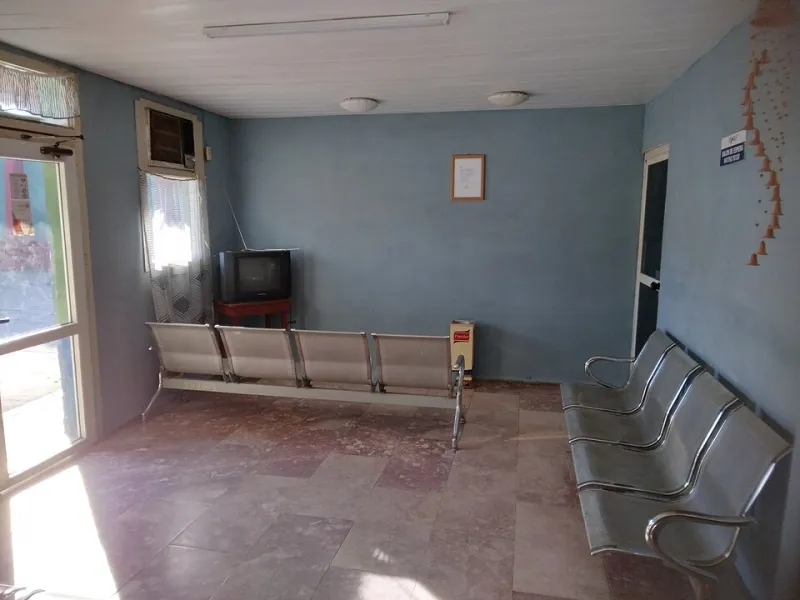
Photo: Ridiculopathy, CC0, via Wikimedia Commons
You fill in the form, answer the questions, hit send. Maybe you speak to your GP. And then — silence, or a letter, or a text saying you're on a list. The wait for NHS Talking Therapies can feel like being told there's a lifeboat and then being asked to tread water. This isn't about pretending the wait is fine. It's about making the months between referral and first session a bit more manageable.
First, know what you've actually signed up for
In England, most people can self-refer to NHS Talking Therapies (the service many of us still call IAPT) without seeing a GP first. Waiting times vary hugely by area and by what you're offered. Some people get a phone assessment quickly; others wait weeks or months for a course of CBT, counselling or a guided self-help programme.
Ask the service, or your GP, a few plain questions:
- How long is the current wait for an assessment, and then for treatment?
- What will happen if my symptoms get worse while I wait?
- Is there a cancellation list I can join?
- Are there workshops, online courses or peer support options I can start now?
- How do I update my referral if my circumstances change?
You're not being demanding by asking. You're trying to plan around uncertainty, which is a reasonable thing to do.
Stabilise the week, not the whole future
When you're waiting for therapy, it's tempting to put life on hold until the first session. But months are made of weeks, and weeks are made of ordinary days. Try to anchor a few small routines rather than overhauling everything.
Pick one daily check-in. A two-minute note on your phone — sleep, mood, one thing you did — gives you something to take to your first appointment and helps you notice patterns without turning your life into a spreadsheet.
Use behavioural activation, gently. This is a fancy term for a simple idea: when we feel low, we wait to feel motivated before doing things, and then we do less, and then we feel worse. Choose one small, achievable activity a day — a walk to the shop, a shower, a message to a friend — and count it. Not as a cure, just as a wedge.
Protect sleep where you can. Keep wake-up times roughly consistent, get light early in the day, and try not to make late-night phone scrolling the main event. If sleep is badly disrupted, mention it to your GP.
Move, but don't make it a project. A ten-minute walk counts. Stretching counts. Dancing around the kitchen counts.
Write down the unhelpful thoughts you notice. You don't have to challenge them perfectly. Just jot them down. "I'm a burden." "It'll never work." You're collecting evidence for the assessment, not solving it alone.
Lean on people without making them your therapist
Peer support can be a lifeline while you wait. The key is knowing what it is and isn't. A friend can listen, sit with you, send a silly meme, go for a coffee. A friend cannot — and should not — be your only clinical support.
Try being explicit about what you need. "I'm not asking you to fix this. I'd just like to talk for ten minutes and have someone listen." That sentence gives the other person a role they can actually fill. It also protects the friendship from becoming a one-way counselling session.
Peer support groups, online communities and local wellbeing hubs can help you feel less alone. If you're not sure what's nearby, ask your GP surgery, your local library, or search for your council's wellbeing services. Charities such as Mind have local groups in many areas.
Boundaries matter both ways. If you're supporting someone else while waiting yourself, it's okay to say, "I care about you, but I don't have the capacity for a long conversation today. Can we check in tomorrow?" That's not rejection. That's sustainability.
Know where to go if the wait stops feeling safe
Waiting lists are not crisis services. If you feel unable to keep yourself safe, or you're worried about someone else, reach out now.
- Call 999 or go to A&E if there is immediate risk to life.
- Call NHS 111 and choose the mental health option if you need urgent help but it's not an emergency.
- Call Samaritans free, 24/7, on 116 123.
- Text Shout to 85258 for free, confidential crisis text support.
You can also contact your GP surgery and say clearly: "I'm on a waiting list and I'm getting worse. I need to know what support is available now." You are allowed to advocate for yourself.
Questions to take to your first session
When the appointment finally comes, it's easy to blank. Write a few notes beforehand:
- What I've noticed about my mood, sleep, appetite and energy.
- What I've already tried.
- What I'm most afraid of.
- What I want to be different.
- Anything I need the therapist to know about my identity, culture, disability or past experiences.
You don't need to perform or have it all worked out. The first session is often an assessment, not a miracle. Turning up with a few honest bullet points is enough.
The wait is not wasted time
The gap between asking and starting is frustrating, and you're allowed to say so. But it doesn't have to be an empty room. Small routines, honest conversations and clear signposting can help you stay connected to the idea that help is coming — and that you are already doing something by hanging on.
If you're in the UK and waiting for therapy right now, start with one question to your service and one small routine this week. That's not a substitute for treatment. It's a way of looking after yourself while you wait for it.