Before You Dial: A Gentle Script for the Appointment You Keep Putting Off
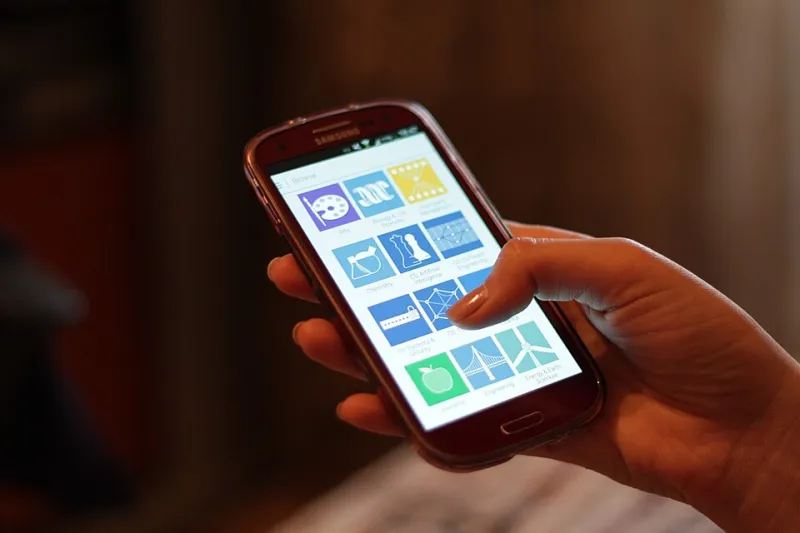
Photo: Océanos y dados, CC0, via Wikimedia Commons
The brave bit is rarely the whole call. It's the twenty seconds before you press call. That's when your brain offers a very convincing list of reasons to do it tomorrow: you're not that bad, the receptionist will be rushed, you don't know what to say, you'll cry, you'll sound silly. None of that makes you unreliable. It makes you human. Think of it as twenty-second courage: not a personality transplant, just enough nerve to dial. The rest of the call can be messy and still count as a win.
Why the phone feels harder than it should
A phone call asks you to improvise in real time. There's no backspace, no read receipt, no chance to rewrite a sentence before it lands. If you're already anxious about your health, that pressure can tip into avoidance. Booking a GP appointment, ringing an NHS Talking Therapies service, or asking a dentist for a check-up can all stir up the same quiet fear: what if I get it wrong?
You don't need a perfect reason or a polished speech. You need one opening line and permission to be a bit wobbly. Receptionists and assessment teams are used to nervous callers. You are not the first person to ring and forget their own date of birth.
Before you dial: make it smaller
Have the basics nearby: your name, date of birth, address, GP surgery name if relevant, and any dates or symptoms you want to mention. Keep it to a few words, not a medical essay. A sticky note is enough. If you can, sit somewhere quiet and put the number on screen so you don't have to hold it in your head.
Decide on your one job. Is it to ask for an appointment, a callback, or a conversation about what's available? You don't have to solve the whole health problem on this call. You're just opening the door.
If the phone genuinely feels impossible, check whether the service offers online booking, an enquiry form, text relay, or a callback request. That's a reasonable workaround, not a failure. But if you've been using online options as a permanent hiding place, this script is for the moment you're ready to try the phone again.
Your opening lines, word for word
You can read these from the page. It doesn't matter. Start with 'Hello, I'd like to book an appointment' and let the rest follow.
For a GP surgery: 'Hi, I'd like to book an appointment with a GP. It's about my sleep and anxiety. I'm not sure who I need to see — could you help me work that out?'
For a therapy assessment: 'Hello, I'm calling to ask about an assessment for talking therapy. I've been struggling with low mood and I'd like to know what the next step is.'
For a dentist: 'Hi, I'd like to book a check-up. I've been putting it off and I'm a bit anxious — is there anything you can do to make the appointment easier?'
If you only manage one sentence, make it this: 'I'm not sure what I need, but I'd like some help booking the right appointment.' That gives the person on the other end something to work with.
If you blank, tear up, or lose your thread
Blanking is allowed. Say: 'Sorry, I've gone a bit blank. Can I start again?' Or: 'I'm feeling anxious about making this call. Could you guide me through what you need?' Most receptionists will slow down. Some will be kinder than you expect. A few might sound brisk — that's usually about their workload, not your worth.
If you get tearful, try: 'I'm a bit emotional today — give me a second.' You don't have to apologise for having feelings in a phone call about your health. If it helps, ask: 'Could you call me back in five minutes?' A short pause can be the difference between hanging up and getting the appointment booked.
When you're on hold
Hold music is a strange little limbo. Put the phone on speaker, breathe out longer than you breathe in, and keep your sticky note in view. You don't have to entertain yourself or stay perfectly calm. If the wait is long and you need to leave, it's okay to hang up and try again later — but if you can, note the time you called so you don't feel like you imagined it.
If someone picks up and you're not ready, say: 'Hi, I'm still here. I'm calling to book an appointment.' That's enough. You can also ask: 'Is there a quieter time to call?' Some surgeries have less busy windows, though no one can promise a calm queue.
After the call: a small wind-down
Before you do anything else, write down what happened: who you spoke to, what you booked, what you were told to do next, and any reference number. This is not admin for its own sake. It gives your brain evidence that the call is finished and something has changed.
Then do something physical and small. A glass of water, a walk to the window, a text to a friend saying 'I made the call.' Don't replay the conversation looking for mistakes. You are not being marked. The next call will probably still feel a bit spiky, but it will have one less unknown in it.
Booking the appointment is not the same as feeling fine. It's just the next honest step. And if today's call doesn't happen, the script will still be here tomorrow — no shame, no lecture, just another go when you're ready.